

Types of Commercial Roofs: Exploring Your Options
December 1, 2025
•
Written By
Bar H Contractors
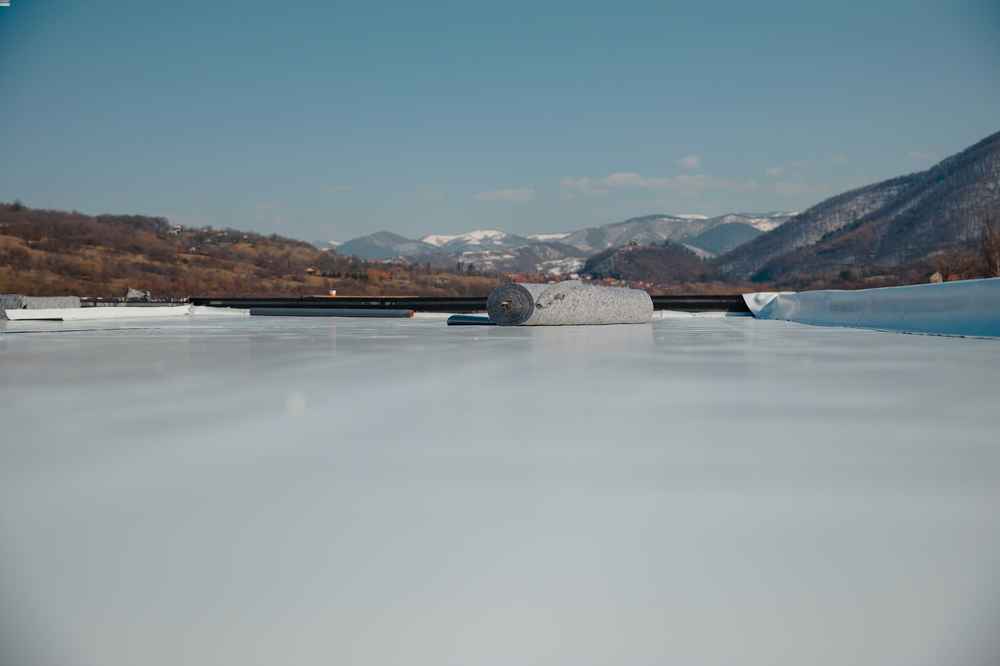
When you own or manage a commercial building in Texas, your roof does a lot more than keep out the rain. It protects your equipment, your people, and the business you’ve worked hard to build. With so many types of commercial roofs available, choosing the right one can feel like a big decision, and it is. The right system can save you money, improve efficiency, and hold strong through years of North Texas weather.
At Bar H Contractors, we believe every roof should be built on honesty, precision, and craftsmanship that lasts. We’ve installed and maintained just about every commercial roof type across Stephenville and the Cross Timbers region, and we know which systems perform best in our Texas climate.
Key Takeaways
- The most common types of commercial roofs in Texas include TPO, metal, modified bitumen, and built-up roofing.
- Each type has its own strengths, from energy efficiency to long-term durability.
- A good commercial roof balances performance, maintenance, and lifetime value, not just price.
Whether you’re repairing, replacing, or starting new, our team can help you make a confident decision that protects your property for decades to come.
The Basics of Commercial Roofing Systems
Commercial roofs are built to handle more than just weather; they support HVAC systems, allow for drainage, and often face heavy foot traffic. Most fall into one of three categories: flat, low-slope, or steep-slope systems.
Here’s a look at the main types of commercial roofs used across Texas, along with their pros, cons, and best-fit scenarios.
.jpg)
TPO & PVC Roofing
Thermoplastic single-ply membranes like TPO and PVC are among the most popular modern commercial roofing options. They’re heat-welded to create watertight seams and are highly reflective, perfect for keeping buildings cooler in our Texas sun.
- Why it works: Reflective, durable, and energy-efficient.
- Keep in mind: Can puncture under heavy traffic if not properly protected.
- Average lifespan: 20–30 years.
EPDM (Rubber Roofing)
EPDM is a flexible synthetic rubber system that handles wide temperature swings, great for Texas heat and cold snaps alike.
- Why it works: Cost-effective and weather-resistant.
- Keep in mind: Dark color absorbs heat unless coated with a reflective finish.
- Average lifespan: 25–35 years.
Modified Bitumen Roofing
Modified bitumen combines asphalt with reinforced layers to create a flexible, strong roof system. It’s a favorite for roofs that need to stand up to frequent maintenance traffic.
- Why it works: Excellent in high-traffic areas and adaptable to temperature extremes.
- Keep in mind: Heavier and more labor-intensive to install.
- Average lifespan: 25–40 years.
Built-Up Roofing (BUR)
Built-up roofing has been used for over a century and still performs well today. It’s made up of multiple layers of asphalt and reinforcing fabrics topped with gravel, creating a strong, waterproof surface.
- Why it works: Proven durability and solid waterproofing.
- Keep in mind: Heavy system requiring solid structural support.
- Average lifespan: 20–30 years.
Metal Roofing
Metal roofing is known for strength, longevity, and low maintenance. Standing seam metal panels are popular for commercial buildings that want long-term performance and energy efficiency.
- Why it works: Reflective and fire-resistant.
- Keep in mind: Higher upfront investment, but pays off over time.
- Average lifespan: 40–60 years.
Green Roofs & SPF Systems
Spray polyurethane foam (SPF) and green roofs are energy-efficient systems designed for sustainability. SPF creates a seamless, insulated layer, while green roofs add vegetation for insulation and stormwater control.
- Why it works: Great insulation and environmental benefits.
- Keep in mind: Requires specialized installation and maintenance.
- Average lifespan: 30-50 years.
Important Factors to Consider Before Choosing a Commercial Roof
Selecting the right roof isn’t about picking the most expensive system; it’s about choosing what best fits your building, your environment, and your maintenance plan. Here’s what we help business owners consider before making that call.
1. Roof Slope and Building Design
Flat and low-slope roofs are best for single-ply systems like TPO or modified bitumen, while steep slopes work well with metal or shingles. Matching the right material to your design is critical for drainage and longevity.
2. Texas Weather Performance
From hail to 100-degree heat, Texas weather puts every roof to the test. Reflective systems like TPO or coated metal handle the sun best, while BUR and modified bitumen offer excellent storm resistance.
3. Energy Efficiency
Cooling costs are a big part of running a business here. Light-colored TPO, PVC, and metal roofing reflect sunlight, keeping your building cooler and saving energy month after month.
4. Maintenance and Longevity
Some roofs, like metal and SPF, require minimal upkeep. Others, such as BUR and green systems, need regular inspections and cleaning. We help property managers build maintenance plans that protect warranties and maximize roof life.
5. Long-Term Value
The cheapest option today isn’t always the most affordable long term. Metal and SPF roofs often deliver the lowest lifetime cost thanks to their durability and efficiency.
When you work with Bar H Contractors, we’ll walk you through each of these considerations with clear, honest advice, no pressure, just facts.
Built for Texas: Which Commercial Roof Performs Best Here
Not every roofing system holds up the same in North Texas conditions. Here’s how the leading types of commercial roofs in Texas perform locally:
- For Extreme Heat: TPO and PVC roofs reflect sunlight and keep interiors cooler.
- For High Winds and Hail: Metal and modified bitumen systems offer strong resistance to impact and uplift.
- For Heavy Rain or Flat Roofs: BUR and SPF create seamless waterproof barriers that prevent leaks.
- For Sustainability: Metal and green roofs are recyclable and energy-saving.
In Stephenville and the Cross Timbers area, we often recommend hybrid solutions, like TPO with reinforced walk pads or metal roofs coated for solar reflectivity, that provide the best balance of performance and longevity.
A Quick Look: Matching Roof Types to Your Priorities
If you’re comparing commercial roofing options, here’s how to think about your priorities:
- Energy Savings: TPO, PVC, or coated metal roofs.
- Low Maintenance: Metal or SPF systems.
- Budget-Friendly: BUR or modified bitumen.
- Long Lifespan: Metal or green roofs.
- High Foot Traffic: Modified bitumen or BUR.
Our team helps you weigh these options carefully, ensuring the roof you choose meets your operational needs and your budget, without cutting corners.
.jpg)
FAQs About the Types of Commercial Roofs
Honest Work. Lasting Protection.
At Bar H Contractors, we don’t just install roofs, we build relationships with the businesses we serve. Every project is approached with the same care and craftsmanship we’d use on our own property.
When you trust us with your commercial roofing, you can count on clear communication, skilled workmanship, and reliable materials that meet or exceed Texas building standards. That’s how we’ve earned the trust of business owners across Stephenville and beyond.
Schedule your free inspection today and see firsthand why Bar H Contractors is the commercial roofer Texas businesses depend on for protection that lasts, built on integrity, done the right way.
Recent Articles
Roof Leak Repair: Addressing Minor and Major Leaks
Protect your home from costly damage with expert roof leak repair in Texas. Learn how Bar H Contractors fixes and prevents leaks with craftsmanship that lasts.
December 4, 2025
.jpg)
Slate Roofers: Preserving the Beauty and Longevity of Slate Roofs
Expert slate roofers in Texas helping homeowners protect and preserve the timeless beauty and strength of slate roofs through skilled care, repair, and craftsmanship.
December 3, 2025
.jpg)
Shingle Repair: Extending the Life of Your Asphalt Shingle Roof
Learn how to extend your roof’s life with expert shingle repair in Texas. Bar H Contractors explains how timely repairs and honest craftsmanship protect your home from heat, wind, and storm damage.
December 2, 2025
Types of Commercial Roofs: Exploring Your Options
Explore the most durable and efficient types of commercial roofs in Texas. Bar H Contractors explains which materials perform best in North Texas weather.
December 1, 2025